
 By Mehak Ishfaq
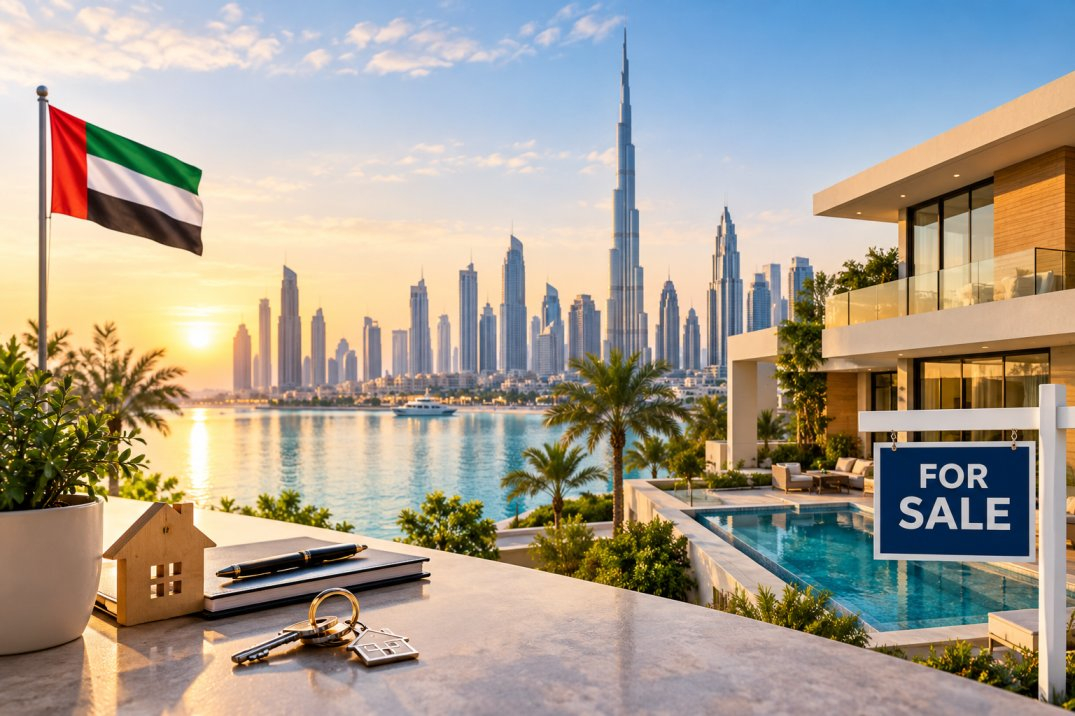
The United Arab Emirates continues to draw international buyers, whether they want a family townhouse in Dubai, a villa close to the coast, a rental investment, or simply a long-term place to settle. The market is open and well regulated, but it rewards buyers who plan carefully.
For overseas buyers, choosing the right property is about far more than comparing listing prices. Location, ownership rules, ongoing service charges, and the developer’s track record all shape whether a purchase turns out to be a good one. This guide walks through the essentials so you know what to check before you commit.
Why Consider Buying Property in Dubai?
Dubai offers one of the most varied residential markets in the region, from compact studios to large luxury villas. Buyers can choose established master-planned communities close to international schools, business districts, and major transport links. A large expatriate population and steady rental demand also attract investors, although returns vary widely by area and property type.
Key Legal Ownership Rules
Foreign nationals can buy property in Dubai’s designated freehold areas. Freehold gives the buyer full ownership of the property, and of the land beneath it where applicable, with no time limit.
Before signing a Sales and Purchase Agreement (SPA), always verify:
- That the property sits in an area open to foreign buyers.
- The title deed status with the Dubai Land Department (DLD).
- Your intended use, whether that is a primary residence, a short-term holiday rental, or a long-term lease. Each can come with different rules and costs.
Choosing the Right Area
Two properties with the same price and size can perform very differently depending on where they are. Before you shortlist anything, think about how you will actually use the home.
- Families usually prioritise school catchments, parks, and quiet streets.
- Commuters should test the drive at peak hours, not just check the distance on a map.
- Investors should compare rental demand, vacancy, and service charges across communities rather than relying on headline yield figures.
Visit at different times of day if you can. A community that feels calm on a weekday morning may feel very different on a weekend evening.
Townhouse or Villa in Dubai?
1. Townhouses
Townhouses suit families who need more space than an apartment offers but still want access to shared community facilities such as parks, pools, and gyms. They often sit in gated communities with a strong neighbourhood feel.
What to check before buying a townhouse:
- Commute and location: Access to main highways, schools, and everyday shopping.
- Layout: Internal size, private garden space, and parking allocation.
- Service charges: The annual fee for maintaining shared community areas, and how it has changed over recent years.
2. Standalone Villas
Villas give you more privacy, bigger plots, and a greater sense of exclusivity. But the purchase price is only part of the budget.
Ongoing villa costs to plan for:
- Landscaping and private pool maintenance.
- Higher utility bills (DEWA), plus district cooling charges where applicable.
- Home and building insurance.
- Community service charges, which many villa communities also levy.
If you plan to rent the villa out, remember that larger homes can take longer to let, so factor in possible gaps between tenants.
Exploring Properties in Ras Al Khaimah (RAK)
Buyers open to looking beyond Dubai often turn to Ras Al Khaimah. RAK offers a relaxed coastal setting, waterfront homes, resort-style communities, and generally lower entry prices than prime Dubai districts.
RAK Properties and Key Developers
Developers such as RAK Properties run major master-planned communities along the coast. When assessing property in RAK:
- Compare lifestyle amenities and the distance to major airports.
- Confirm that non-UAE nationals can buy in the specific development you are considering, as foreign ownership is limited to approved areas and projects.
- Check the developer’s record on completing earlier phases and off-plan milestones on time.
Buying Off-Plan and Researching Specific Projects (e.g., Baheen Tower)
Off-plan purchases can offer lower entry prices and flexible payment plans, but they carry more risk than a finished home. When you research a particular project or tower, such as Baheen Tower, extra due diligence is essential:
- Verify official registration: Confirm the exact project name, developer licence, and location through the official authority for that emirate. In Dubai, that means the DLD and RERA, and the Dubai REST app is a useful tool. For projects in Ras Al Khaimah or elsewhere, use that emirate’s official registry rather than relying on the brochure alone.
- Check the escrow account: Make sure every installment goes directly into an officially approved project escrow account, never to a general developer account.
- Study the payment plan: Review construction milestones, post-handover terms, and the expected handover date carefully before you put down a deposit.
- Read the contract before paying: Understand what happens if the handover is delayed or if you need to sell before completion.
Financing Your Purchase
Non-resident buyers can often get a mortgage from UAE banks, but terms differ from those offered to residents. Typically, banks ask for a larger down payment from non-residents, and the maximum loan amount can be lower. Get a pre-approval before you start negotiating so you know your real budget, and compare offers from more than one bank. Remember that interest rates, fees, and lending rules change, so confirm everything directly with the lender.
Total Costs and Fees to Budget For
As a rough guide, upfront costs in the UAE commonly add around 6% to 8% on top of the purchase price, depending on whether you use an agent and take a mortgage. Fees change from time to time, so treat the figures below as estimates and confirm current rates before committing.
| Expense Type | Estimated Cost |
| DLD transfer fee (Dubai) | 4% of the purchase price |
| DLD admin and title deed fees | A fixed amount that varies with property value |
| Real estate agency commission | Usually 2% plus 5% VAT (negotiable) |
| Mortgage registration (if applicable) | 0.25% of the loan amount plus admin fees |
| Mortgage valuation fee | Roughly AED 2,500 to AED 3,500 plus 5% VAT, varies by bank |
| Utility deposits (DEWA) | Higher for villas than apartments; check the current rate |
Frequently Asked Questions
Can foreigners buy property in the UAE?
Yes. Foreign nationals can buy freehold property in designated areas of Dubai, and in approved investment zones and projects in Abu Dhabi and Ras Al Khaimah, with full ownership rights. Always confirm the exact area or project before making an offer.
What is the minimum investment for a Golden Visa?
A property purchase of AED 2 million or more can qualify foreign buyers for a 10-year renewable Golden Visa. Conditions apply, for example around off-plan purchases and mortgaged properties, so check the current requirements with the relevant authority.
Should I choose Ras Al Khaimah or Dubai?
It depends on your goals. Dubai offers deeper demand, easier resale, and a fast-paced city lifestyle. Ras Al Khaimah offers a quieter coastal way of life and competitive entry prices for waterfront living.
Do I need to be in the UAE to buy a property?
Not necessarily. Many overseas buyers complete purchases remotely, either by travelling in for the transfer or by authorising a representative through a power of attorney. If you go the remote route, use a licensed agent, check that they are registered with the relevant authority, and never send money to a personal account.
Can non-residents get a mortgage in the UAE?
Often, yes. Several UAE banks lend to non-residents, but the terms are usually stricter than for residents, with a larger down payment and a lower maximum loan. Get a pre-approval before you start house hunting so you know your real budget, and compare offers from more than one bank.
Can I rent out my property, including as a holiday home?
Yes, but the rules depend on the type of rental. Long-term leases follow the local tenancy rules and require a registered tenancy contract. Short-term holiday lets in Dubai generally need a permit from the relevant tourism authority, and some communities have their own restrictions. Check both the law and your community’s rules before you list the property.
Is there property tax in the UAE?
Dubai does not charge an annual property tax on residential owners, and there is no personal income tax on rental income in the UAE. However, you may still owe tax on that income in your home country, so speak to a tax adviser there before you buy.
Is buying off-plan safe?
It can be, if you do your checks. Confirm the project and developer are officially registered, make sure payments go into an approved escrow account, and read the contract carefully, including what happens if handover is delayed. Off-plan always carries more risk than a finished home, so it helps to look at the developer’s record on earlier projects.
This article is for general information only and does not constitute legal or financial advice. Please verify current fees and regulations with the relevant authority before buying.