
 By Mehak Ishfaq
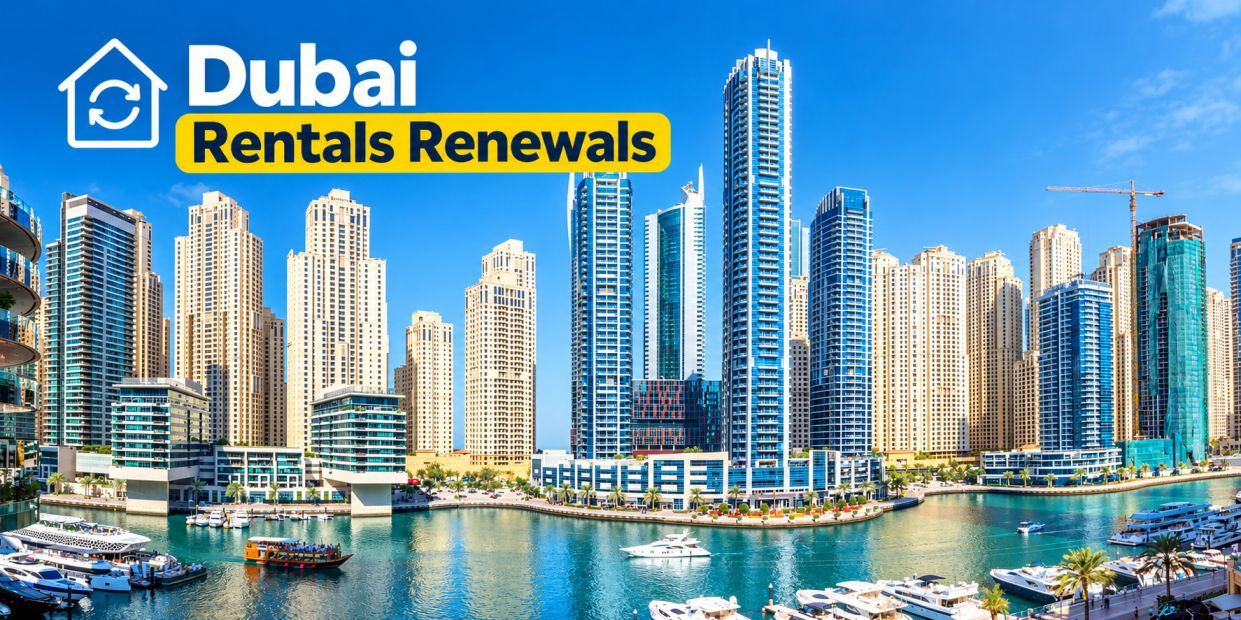
Dubai’s residential rental market is showing signs of changing tenant behaviour. According to a recent private analysis of Dubai Land Department rental registration data, residential lease renewals fell by 26.5% year-on-year in September 2026. The figures suggest that more tenants are reconsidering their existing leases and comparing alternative rental options before committing to another year.
For landlords, this trend highlights the importance of competitive pricing, property maintenance and tenant retention. For tenants, it reinforces the value of comparing rental properties and understanding their rights before renewing a tenancy agreement.
However, fewer renewals do not automatically mean that rents are falling across Dubai. The impact varies by community, property type and individual rental agreement.
Why Are Dubai Rent Renewals Falling?
The reported decline in residential lease renewals continued a trend observed throughout the summer of 2026. The analysis reported year-on-year declines of 23% in June, 25.3% in July, 25.1% in August and 26.5% in September.
Renewals accounted for approximately 51% of residential leasing activity in September, compared with 59% a year earlier. The same analysis reported 8,457 fewer renewal contracts and 936 more new leases year-on-year.
These figures suggest a change in the composition of rental activity, although they do not establish why individual tenants decided to move.
Several factors may influence renewal decisions:
- Rental costs: Tenants may reconsider their existing rent when comparable properties offer better value.
- Property choice: Available apartments and villas can give renters more options when their contracts approach expiry.
- Payment flexibility: Payment schedules and other contractual terms may influence the decision to stay or move.
- Property condition: Maintenance, building facilities, parking and accessibility all affect the overall value of a rental home.
- Relocation costs: Moving only makes financial sense when the potential benefits justify the additional expenses.
The September figures are based on private analysis of registration data, rather than a direct statistical announcement from the Dubai Land Department. They should therefore be interpreted in that context.
What Does This Mean for Dubai Landlords?
A tenant who chooses not to renew can leave a landlord facing additional costs and uncertainty. Even when a property remains attractive, finding a replacement tenant may take time and require further expenditure.
Landlords can take several practical steps to reduce these risks.
1. Review Rental Prices
Compare the property with similar homes in the same building or community. Consider the number of bedrooms, floor area, furnishing, views, parking, facilities and overall condition.
Setting an asking rent above comparable properties may make a home less competitive. The aim should be to balance rental income with realistic occupancy expectations.
2. Improve Property Maintenance
Address maintenance problems before they become a reason for tenants to leave. Well-maintained interiors, functioning appliances and responsive repair arrangements can improve the rental experience.
Owners should also consider whether modest improvements could make their properties more appealing to prospective tenants.
3. Discuss Renewal Terms Early
Starting discussions before the contract expires gives both parties time to consider their options. Landlords can understand a tenant’s concerns, while tenants can assess whether staying offers better value than relocating.
Any proposed changes must comply with applicable tenancy rules and notice requirements.
4. Plan for Potential Vacancy
Estimate the financial impact of a property remaining vacant. Include potential lost rental income, maintenance, marketing and other relevant expenses.
A realistic assessment can help landlords decide whether a competitive renewal offer may be more beneficial than seeking a higher rent from a new tenant.
Can Tenants Find Better Rental Deals in Dubai?
Some tenants may find better-value alternatives, but the decline in renewals does not guarantee lower rents.
Before moving, compare the total cost of each option. The annual rent is only one consideration. You can use our Rent vs Buy Calculator Dubai to evaluate whether staying or relocating makes financial sense.
Tenants should also compare property condition, commuting requirements, building facilities and access to everyday services.
In some cases, negotiating suitable terms with an existing landlord may offer better value than relocating. In others, moving to a comparable property may provide meaningful savings or a more suitable living arrangement.
The right decision depends on individual circumstances and the options available at the time.
Which Dubai Communities Should Tenants Compare?
Rental conditions differ between communities, buildings and property types. Tenants should compare actual listings rather than assume that an entire area offers uniformly lower prices.
Dubai Marina
Dubai Marina offers waterfront apartments, residential facilities, restaurants and access to public transport. When comparing homes, tenants should consider building quality, views, parking and proximity to the Metro or tram.
Jumeirah Village Circle (JVC)
JVC offers apartments and family-oriented residential options across different developments. Compare layouts, maintenance standards, parking and access to shops and other everyday services.
Business Bay
Business Bay may suit professionals seeking proximity to offices and central Dubai destinations. Consider commuting time, traffic, building facilities and the total cost of living in the area.
Dubai Silicon Oasis
Dubai Silicon Oasis offers residential options for professionals and families. Compare apartment sizes, parking, transport requirements and community amenities alongside rental prices.
These locations provide useful starting points for a property search, but current availability and comparable rents should guide the final decision.
What Are Dubai’s Rent Renewal Rules?
Dubai tenancy agreements are subject to applicable laws and regulations. Tenants and landlords should understand the requirements before changing rental terms or negotiating an increase.
Under Dubai’s tenancy framework, either party wishing to amend contractual terms or the rental amount generally must provide at least 90 days’ notice before the contract expires, unless the parties agree otherwise.
Under Decree No. 43 of 2013, maximum permitted rent increases range from 0% to 20%, depending on how the existing rent compares with the average rental value of similar properties under the applicable framework.
The permitted increase should not be assumed from advertised rents alone. Landlords and tenants can check the relevant calculation using the Dubai Land Department Rental Index.
For unresolved disputes, the parties may seek guidance from the Dubai Land Department or the Rental Disputes Center.
Will Falling Renewals Affect Dubai’s Rental Market in 2027?
The September figures provide a useful indication of changing renewal activity, but they are not enough to predict rental prices across Dubai in 2027.
Future conditions will depend on factors such as population growth, employment, household formation, new residential supply and demand within individual communities.
If tenants continue to explore alternatives, landlords may need to pay closer attention to pricing, property condition and vacancy risks. However, well-located properties with competitive rents may continue to attract tenants.
It is also important to distinguish between renewal volumes and rental prices. A tenant moving to another property can reduce renewals for one landlord while contributing to new leasing activity elsewhere.
Investors should therefore consider achieved rents, occupancy, operating expenses, upcoming supply and comparable property performance when assessing an investment.
What Should Property Investors Do Now?
For property investors, the changing renewal pattern reinforces the importance of assessing rental income realistically. Explore our complete guide on the best places to buy property in the UAE to evaluate long-term market performance and rental yields.
Before purchasing a property, examine comparable rents in the same building or community, expected maintenance expenses and the possibility of vacancy between tenancies. Avoid relying solely on advertised rental prices or historical yields.
Existing owners should review their pricing strategy and assess whether improvements could support tenant retention.
A property’s long-term performance depends not only on the rent it can command but also on its operating costs, occupancy and ability to attract suitable tenants.
Frequently Asked Questions
Why did Dubai rent renewals fall in September 2026?
A private analysis of rental registration data reported a 26.5% year-on-year decline. Tenants may be reassessing rental costs and exploring alternatives, but the figures alone do not establish the reasons behind individual decisions.
Does a decline in renewals mean Dubai rents are falling?
No. Renewal volumes measure the continuation of existing tenancies, not rental price movements. Prices can vary between communities, buildings and property types.
Can tenants negotiate their rent at renewal?
Tenants can discuss rental amounts and other terms with their landlords. Any increase must comply with applicable Dubai tenancy rules and notice requirements.
What should landlords do if a tenant does not renew?
Landlords should review comparable rents, address maintenance issues, prepare the property for marketing and account for potential vacancy costs.
Which Dubai areas should tenants compare?
Dubai Marina, JVC, Business Bay and Dubai Silicon Oasis are possible starting points. The most suitable option depends on budget, property requirements, transport and current listings.
What should investors monitor in 2027?
Investors should track comparable rents, new leases, renewal activity, vacancy periods, operating expenses and upcoming residential supply.
Conclusion
Dubai’s reported 26.5% year-on-year decline in residential lease renewals in September 2026 highlights a change in rental activity. For landlords, competitive pricing, effective maintenance and realistic vacancy planning remain important. For tenants, comparing the total cost of staying versus moving can help identify better-value options.
For property investors, the key is to distinguish between changes in renewal activity and changes in rental prices. Using reliable local data and realistic financial assumptions can support better-informed decisions as Dubai’s residential rental market evolves.