
 By M Asad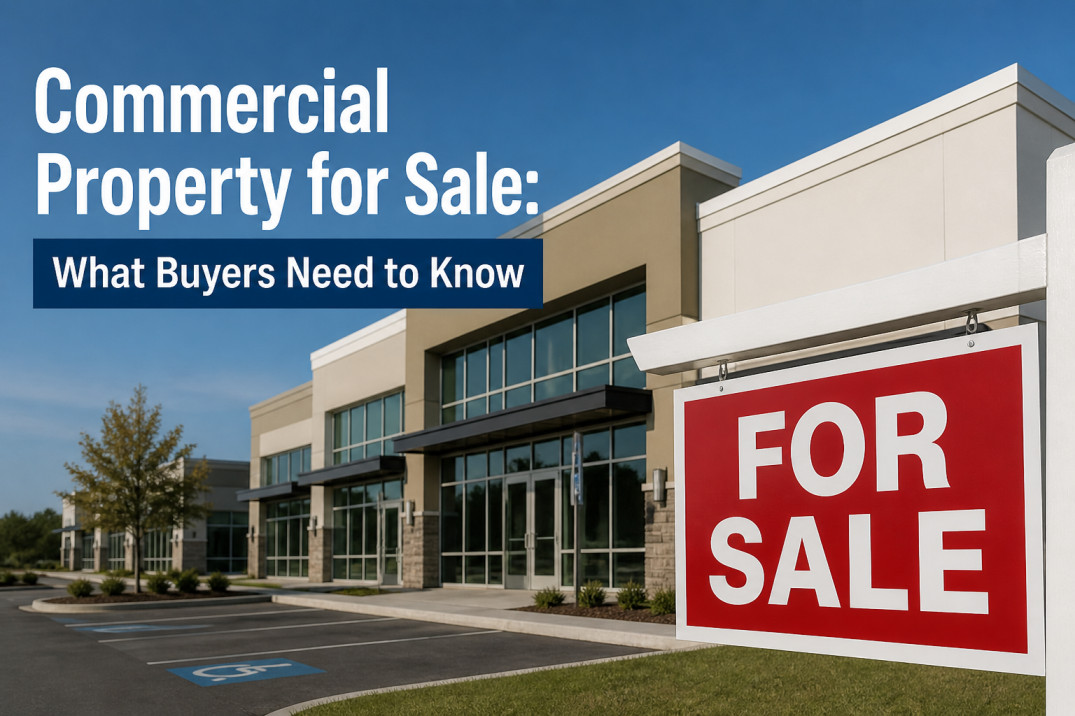
I’ve watched people rush into buying commercial property for sale with big dreams and zero groundwork. Some did brilliantly. Others lost money they couldn’t afford to lose. The gap between the two? Usually about six weeks of homework.
Here’s the thing about commercial property it’s not glamorous in the beginning. The listings look promising, the numbers seem to add up on a napkin, and then you get to the actual due diligence and realize there’s a whole world of detail sitting underneath that asking price.
This guide isn’t going to sugarcoat it. If you’re seriously looking at commercial property for sale, whether that’s a small retail unit, an office building, or an industrial shed on the edge of town you need to walk in with your eyes open.
The Market Isn’t What It Was Five Years Ago
A lot has shifted. Retail took a bruising from e-commerce. Office space got complicated by remote work. But industrial and logistics? That segment has been on fire, and it’s not slowing down. So before you even start browsing commercial property for sale listings, figure out which type makes sense for where the economy is heading not where it’s been.
Offices in secondary cities are still a question mark. Retail on the high street? Tricky, unless the location is genuinely exceptional. But warehousing, trade counters, last-mile delivery hubs there’s solid demand there right now, and rents reflect it.
The cheapest commercial property for sale in your area might be cheap for a reason. Always ask why the seller is leaving.
Location Doesn’t Just Mean the Postcode
Everyone says location matters. But for commercial property for sale, it goes deeper than a nice address. You need to understand the catchment area, who actually drives or walks past that building on a Tuesday afternoon, and what planning decisions the local council is quietly pushing through.
I’ve seen buyers fall in love with a unit only to discover that a major road scheme was going to cut off access within three years. That kind of thing isn’t hidden it’s in the local development plan, freely available, but almost nobody checks it before making an offer.
Also look at what’s nearby. A cluster of healthy businesses around a property is a good sign. A lot of “to let” boards? That’s a conversation to have before you part with any money.
The Numbers That Actually Matter
Yield is the metric everyone quotes, but net yield is the one that tells the real story. Take the rent coming in, subtract every cost you can think of maintenance, insurance, management fees, void periods, service charges and divide by what you paid. If that number is below 5% on a commercial property for sale, you’d better have a very compelling reason to proceed.
Ask for three years of accounts if the property has sitting tenants. Look at whether rents have been paid on time, whether there have been disputes, whether any lease renewals are coming up soon. A tenant who’s been there 12 years is very different from one who signed six months ago and is already asking about break clauses.
- Net yield target: 5–10% depending on sector and location
- Vacancy buffer: always model at least one empty quarter per five years
- Deposit required: most lenders want 25–40% for commercial mortgages
- Lease length remaining: shorter than 3 years left means renegotiation risk
Surveyors, Solicitors, and Why You Can’t Skip Either
I know it adds to the upfront cost. But buying commercial property for sale without a full structural survey is genuinely reckless. Roof issues, asbestos in the cladding, drainage that hasn’t been touched in twenty years these things don’t show up on a walk-around. They show up on a survey, and they give you negotiating power or a very clear reason to walk away.
Your solicitor needs to be commercial-property-experienced, not just someone who does residential conveyancing on the side. The legal structure of commercial leases is genuinely different alienation clauses, repairing obligations, rent review mechanisms. A solicitor who hasn’t done this before will slow everything down and possibly miss something important.
One good surveyor’s report has saved buyers more money than any amount of negotiating. Don’t cut that corner.
What the Seller Might Not Volunteer
Some things won’t come up unless you ask directly. Is there any current or historic contamination on the site? Have there been any insurance claims in the last five years? Are there any disputes with neighboring properties over boundaries or access rights? Has planning permission been refused for anything in the last decade?
These aren’t trick questions they’re just the questions that distinguish a careful buyer from one who ends up with an expensive surprise eighteen months after completion. When you’re evaluating commercial property for sale, your job is to be professionally skeptical until the paperwork proves otherwise.
Getting Finance Without the Headache
Commercial mortgage lenders are fussier than residential ones, and rightly so. They want to know about the tenant, the lease, the building condition, and your track record as a buyer or investor. If the property is empty at the time of purchase, expect tougher terms some lenders won’t touch vacant commercial units at all.
Shop around. High-street banks, specialist commercial lenders, and challenger banks all have different appetites right now. A good commercial mortgage broker who knows the market will save you time and often get you better terms than going direct. Factor that broker fee into your costs from the start.
When to Walk Away
There will always be another commercial property for sale. That’s worth remembering when a deal starts to feel complicated or the seller’s answers get vague. Walk away if the survey throws up structural issues the vendor won’t price in. Leave the table if the tenant looks shaky and the lease has two years left. If the numbers only work under the most optimistic assumptions you can dream up, that’s your answer too.
The best investors I’ve spoken to talk about the deals they didn’t do as proudly as the ones they did. Discipline is underrated in property.
So, Is Now a Good Time to Buy?
Honestly, that depends entirely on what you’re buying and where. There are pockets of the commercial property for sale market right now that are genuinely undervalued particularly older office buildings ripe for conversion, and industrial units in areas where supply hasn’t kept up with demand.
But there are also plenty of overpriced listings being dressed up with optimistic rent projections. The market rewards people who do the work, not people who get lucky timing. Go in informed, build your team carefully, and don’t let excitement push you past the point where the fundamentals stop making sense.
That’s not pessimism. That’s just how real commercial property investment actually works.
 Mehak Ishfaq